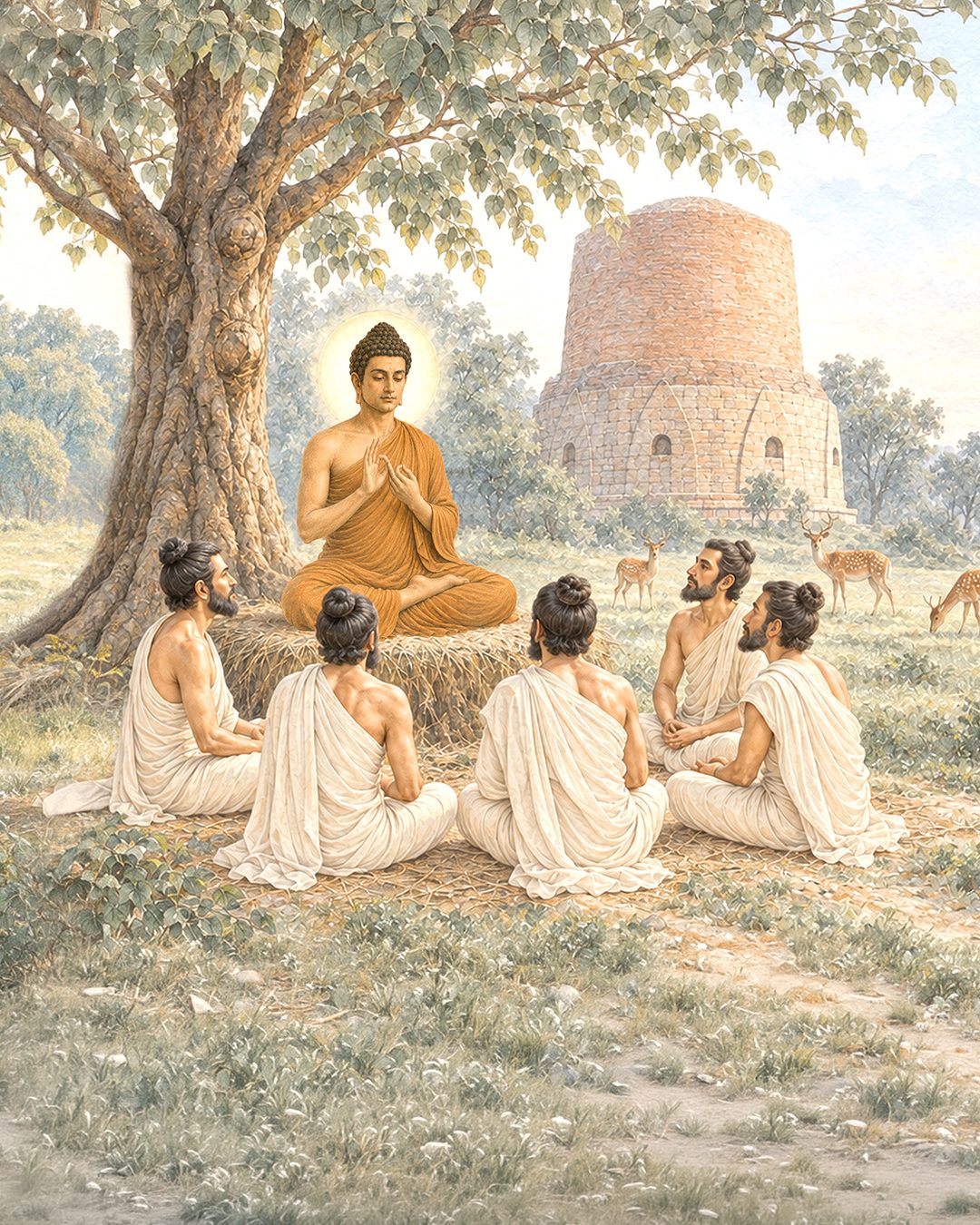
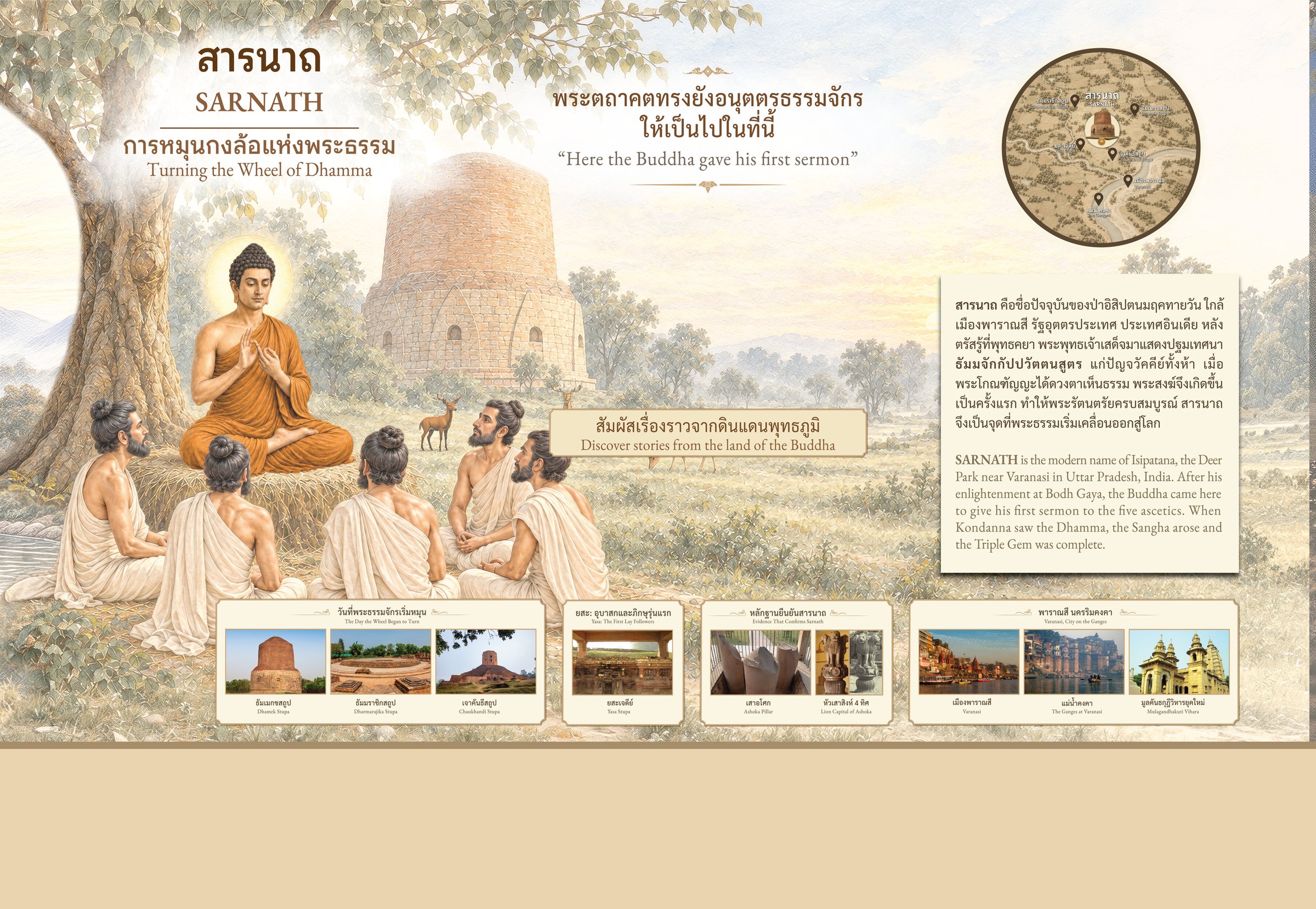
สารนาถ คือชื่อปัจจุบันของป่าอิสิปตนมฤคทายวัน ใกล้เมืองพาราณสี รัฐอุตตรประเทศ ประเทศอินเดีย หลังตรัสรู้ที่พุทธคยา พระพุทธเจ้าเสด็จมาแสดงปฐมเทศนา ธัมมจักกัปปวัตตนสูตร แก่ปัญจวัคคีย์ทั้งห้า เมื่อพระโกณฑัญญะได้ดวงตาเห็นธรรม พระสงฆ์จึงเกิดขึ้นเป็นครั้งแรก ทำให้พระรัตนตรัยครบสมบูรณ์ สารนาถจึงเป็นจุดที่พระธรรมเริ่มเคลื่อนออกสู่โลก
SARNATH is the modern name of Isipatana, the Deer Park near Varanasi in Uttar Pradesh, India. After his enlightenment at Bodh Gaya, the Buddha came here to give his first sermon to the five ascetics. When Kondanna saw the Dhamma, the Sangha arose and the Triple Gem was complete.
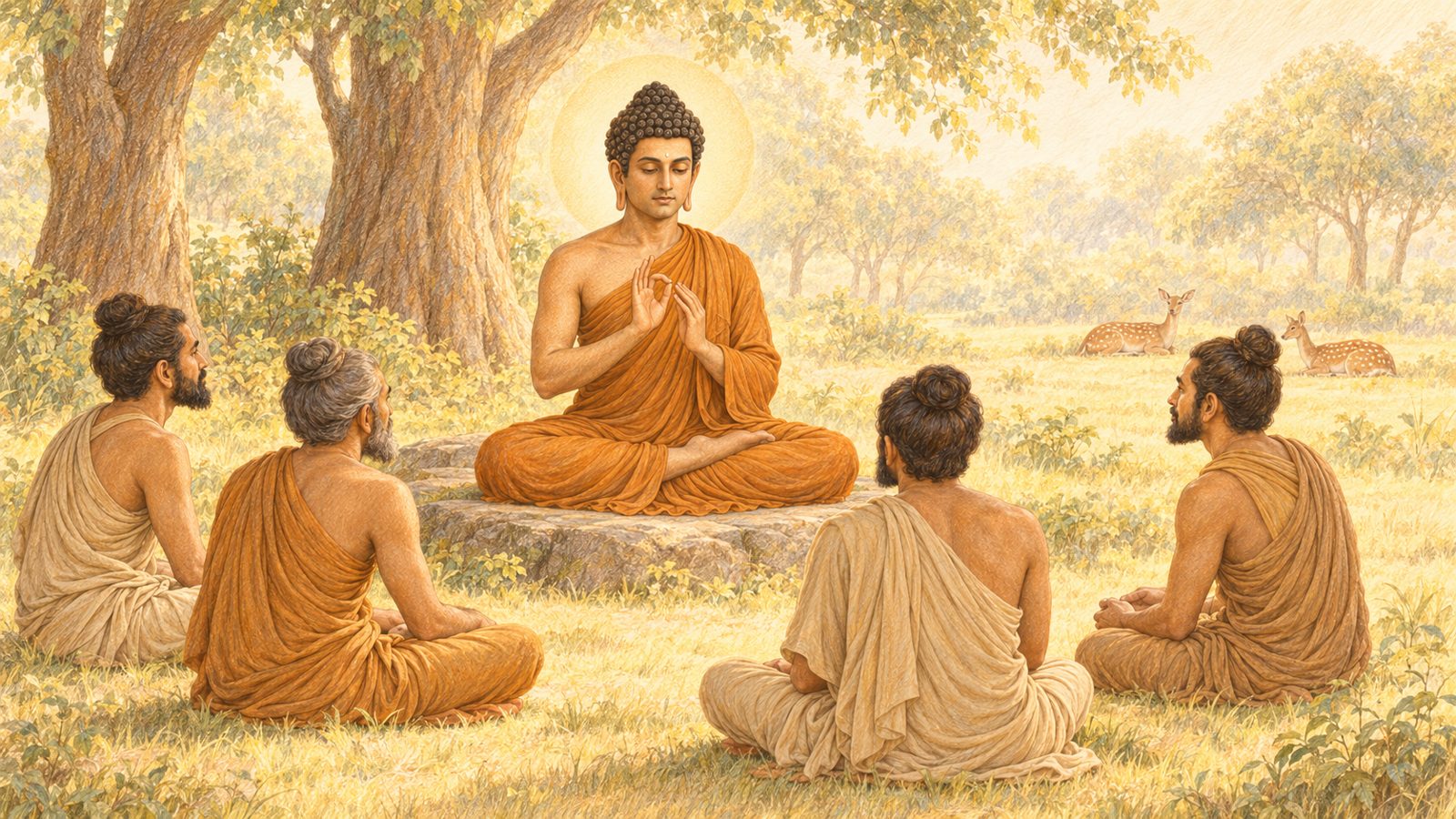
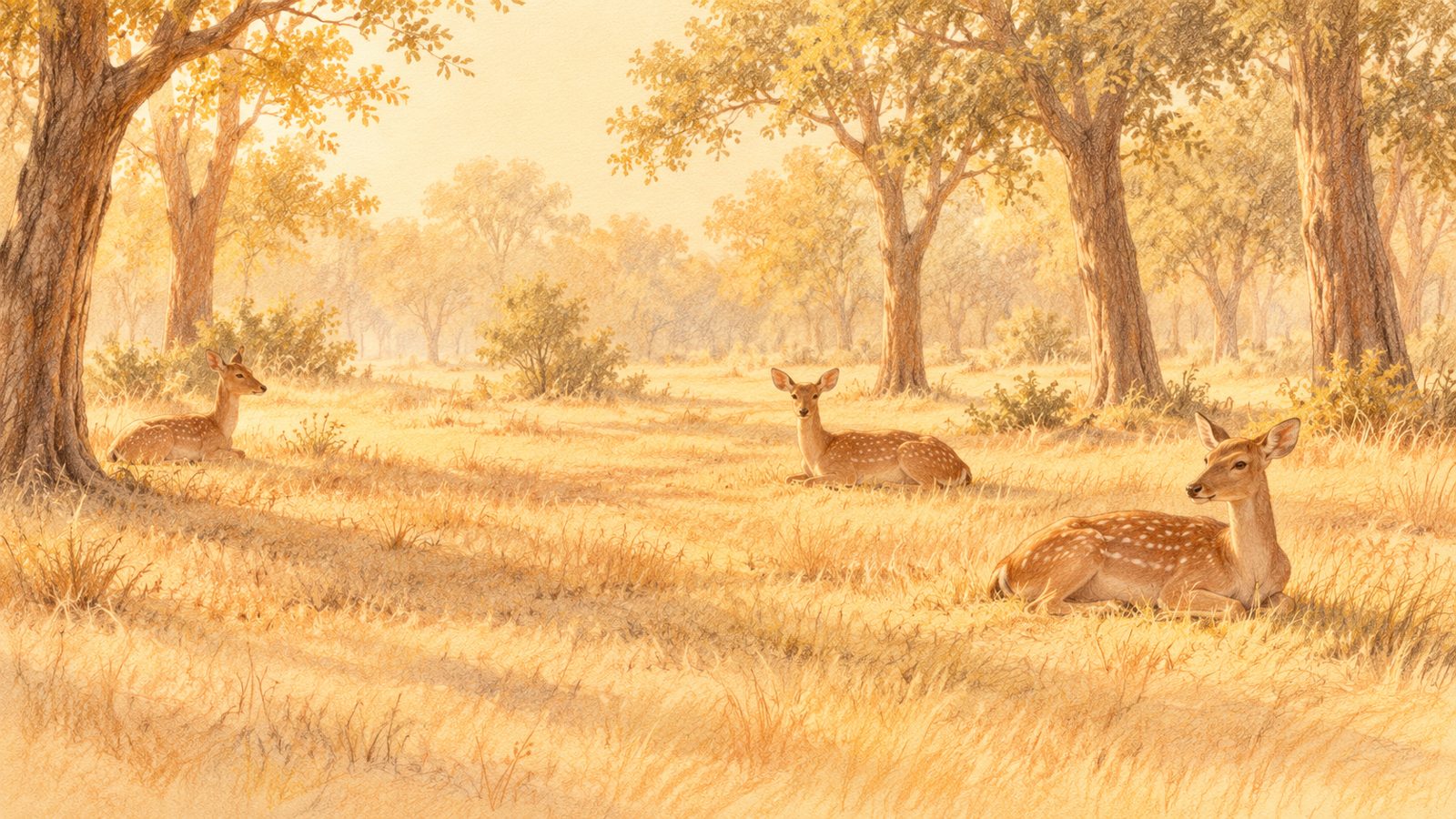
ชื่อโบราณของสารนาถคือป่าอิสิปตนมฤคทายวัน คำว่าอิสิปตนะหมายถึงสถานที่เกี่ยวข้องกับฤๅษีผู้แสวงหาความจริง ส่วนมฤคทายวันหมายถึงสวนกวาง เขตอุทยานที่สัตว์อยู่ได้อย่างปลอดภัย กวางในภาพบนผนังนี้จึงมาจากชื่อนี้เอง
Sarnath's ancient name was Isipatana Migadaya. Isipatana means a place of the rishis, seekers of truth; Migadaya means the deer park, a sanctuary where animals lived unharmed. The deer on this wall come from that name.
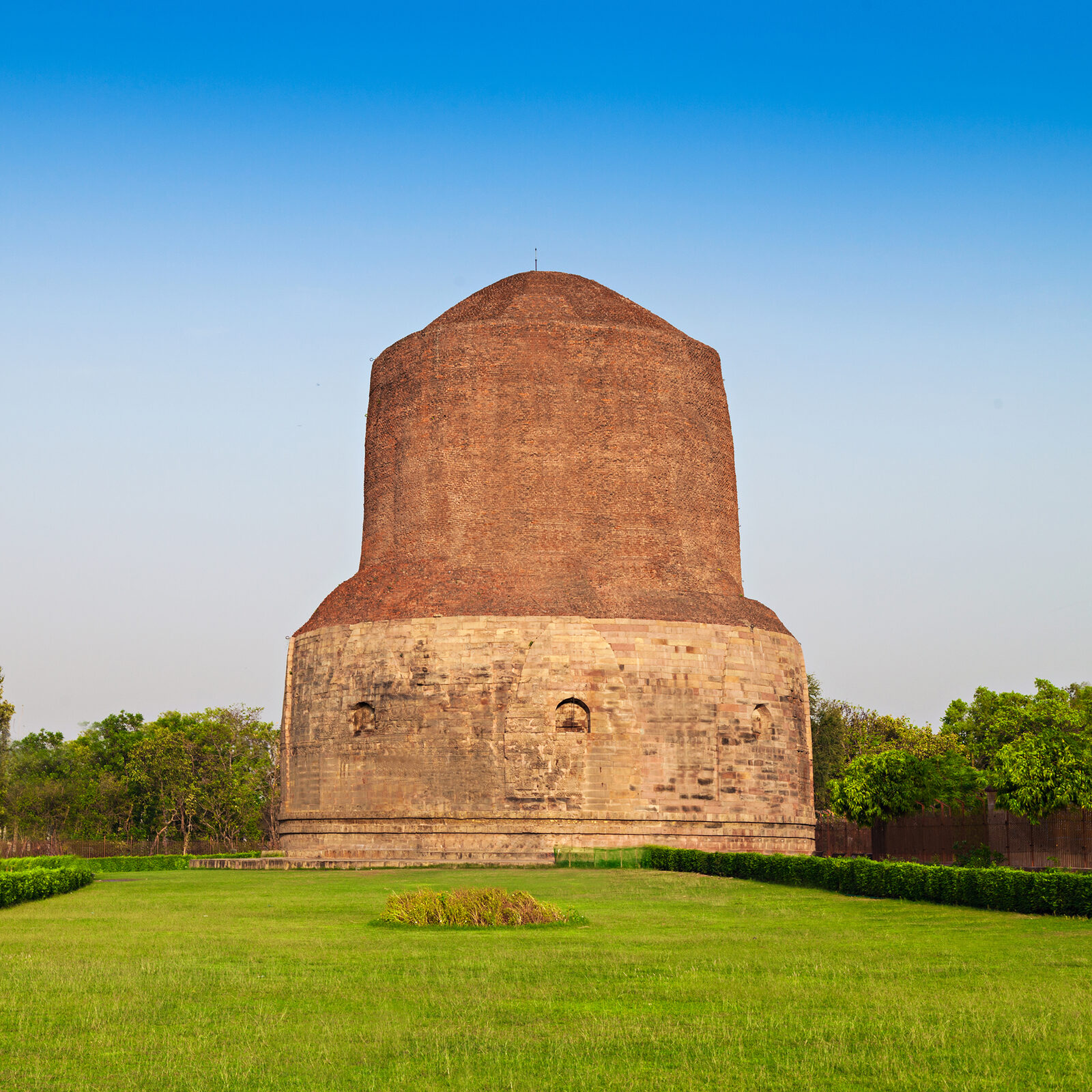
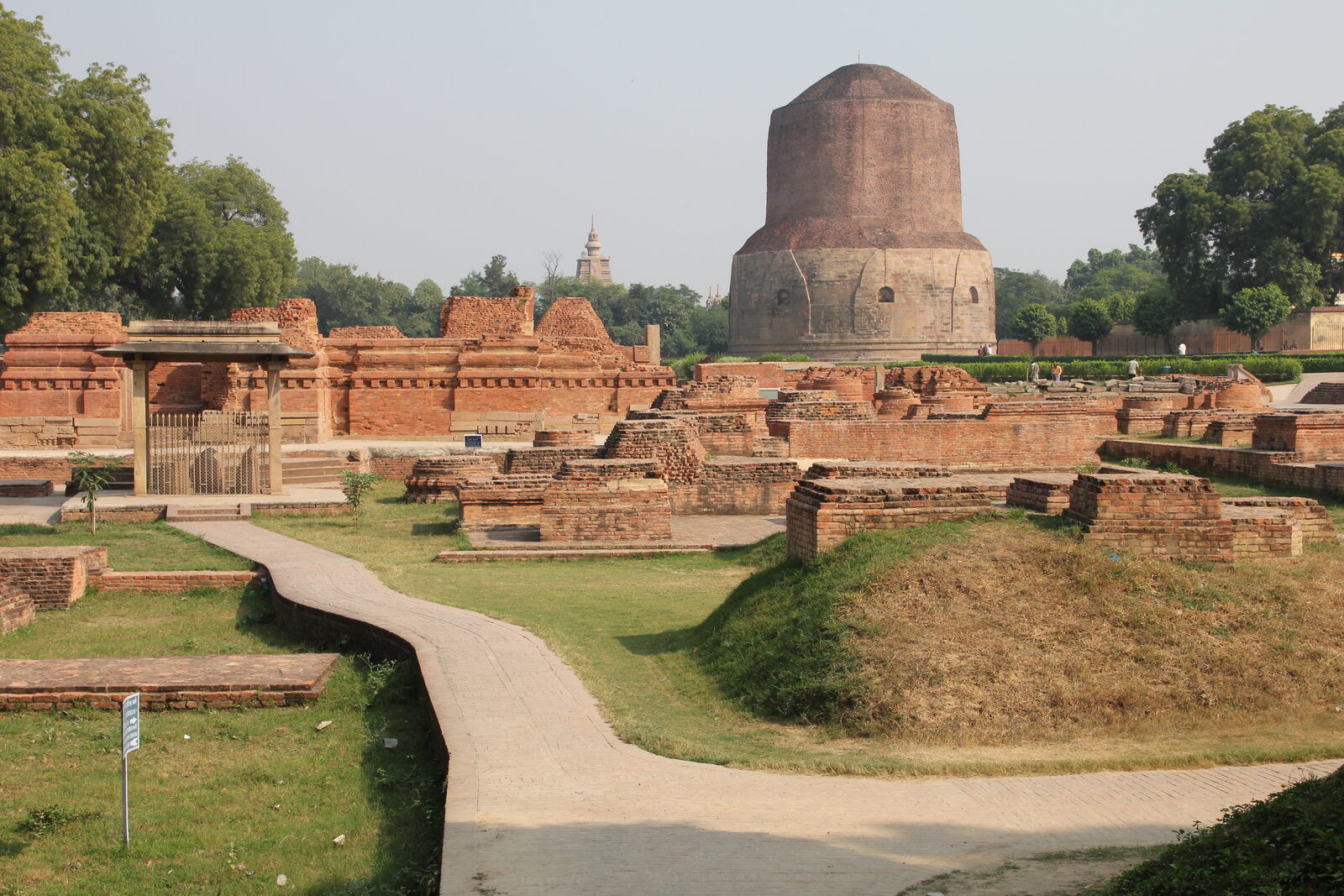
สถูปใหญ่และโดดเด่นที่สุดในเขตโบราณสถานสารนาถ ทรงกระบอกก่อด้วยอิฐและหิน สูงประมาณ 43 เมตร กว้างประมาณ 28 เมตร ส่วนล่างสลักลายเครือเถาและดอกไม้แบบยุคคุปตะ เป็นอนุสรณ์แห่งการแสดงปฐมเทศนา
The largest stupa at Sarnath, a brick-and-stone cylinder about 43 metres high and 28 wide, its base carved with Gupta vines. It marks the place of the first sermon.
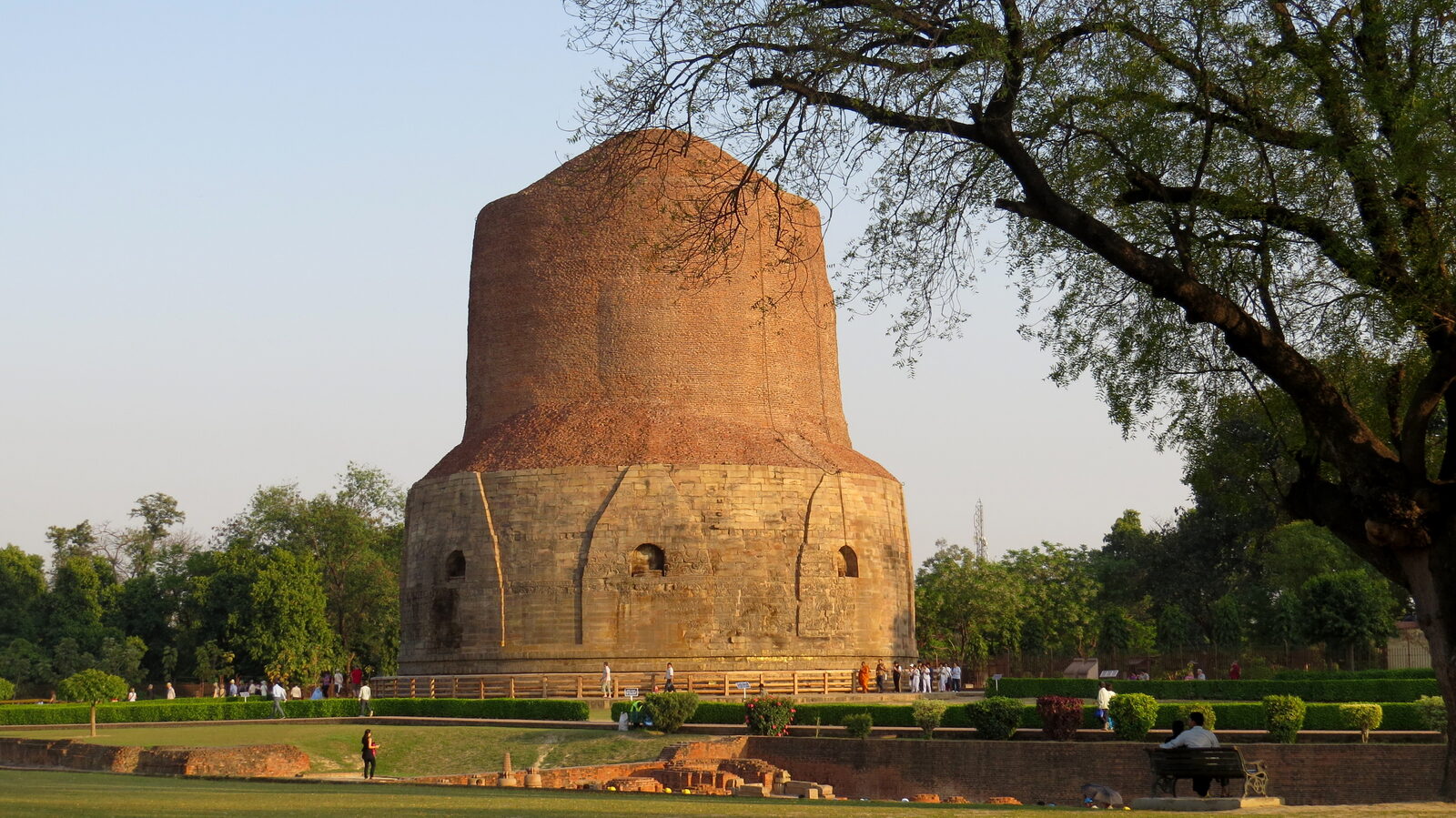
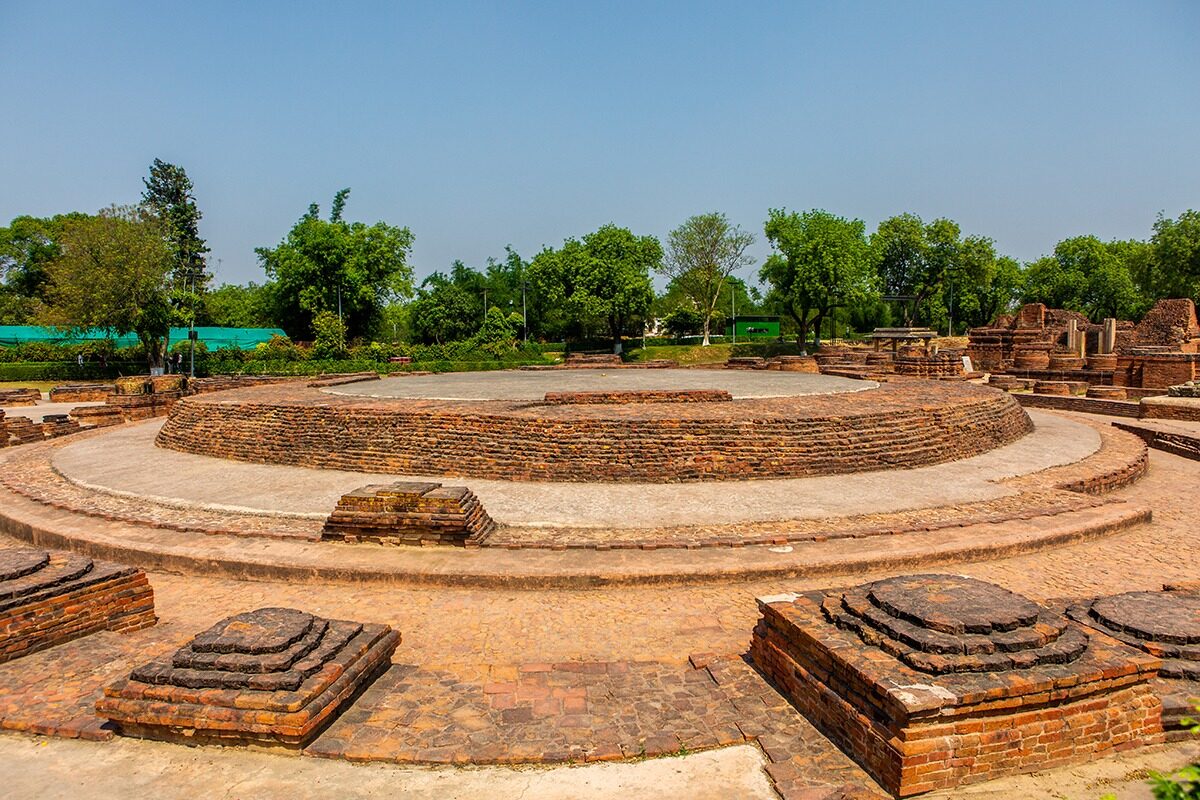
สถูปแห่งพระธรรมราชา อยู่ไม่ไกลจากธัมเมกขสถูป เดิมเป็นสถูปสูงใหญ่สมัยพระเจ้าอโศก เกี่ยวข้องกับการสักการะพระบรมสารีริกธาตุ ต่อมาถูกขุดรื้อเอาอิฐไปใช้ เหลือเพียงฐานทรงกลม
The Stupa of the Dhamma King stands near Dhamekh. Once a great Ashokan stupa linked to relic veneration, it was later dismantled for bricks; only the round base remains.
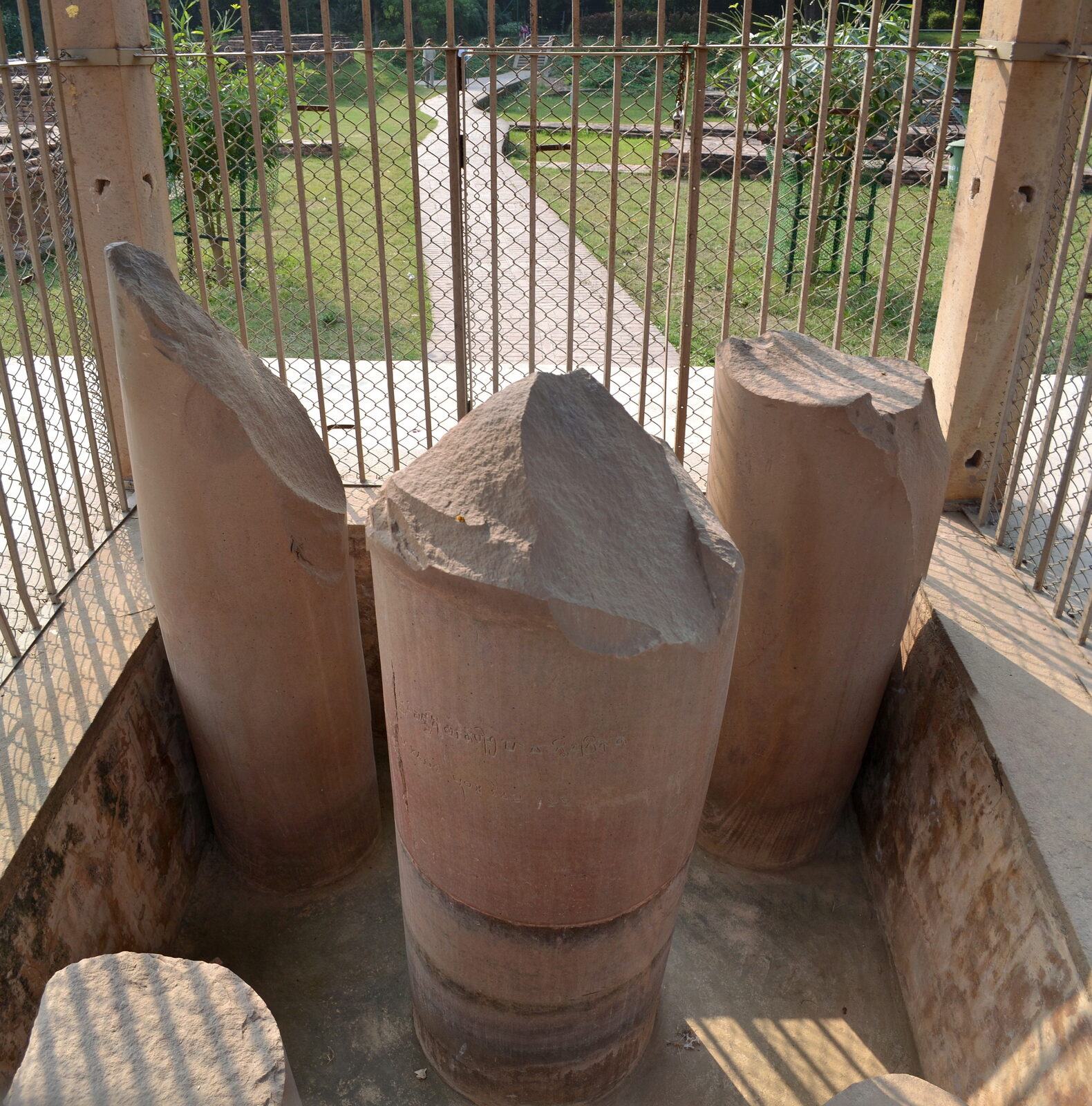
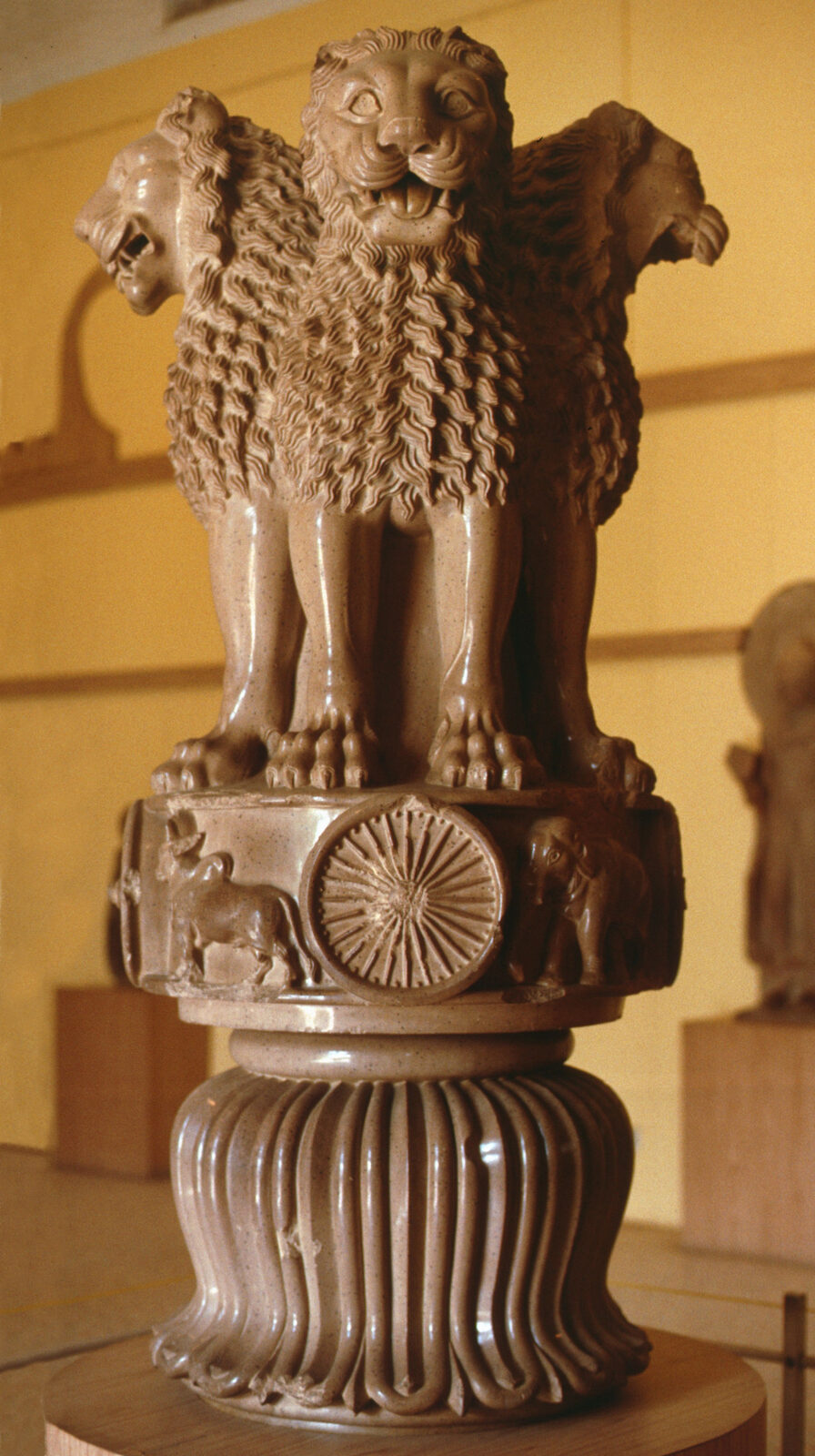
เสาหินทรายขัดเงาแบบศิลปะโมริยะ จารึกว่าด้วยการรักษาความสามัคคีของสงฆ์ ยอดเสาคือหัวเสาสิงห์ 4 ทิศ ตั้งบนฐานกลมประดับธรรมจักร ปัจจุบันเก็บรักษาในพิพิธภัณฑ์สารนาถ และเป็นต้นแบบตราแผ่นดินอินเดีย
A polished Mauryan sandstone pillar inscribed to guard the unity of the Sangha. Its four-lion capital, set above a wheel of Dhamma, became the state emblem of India.
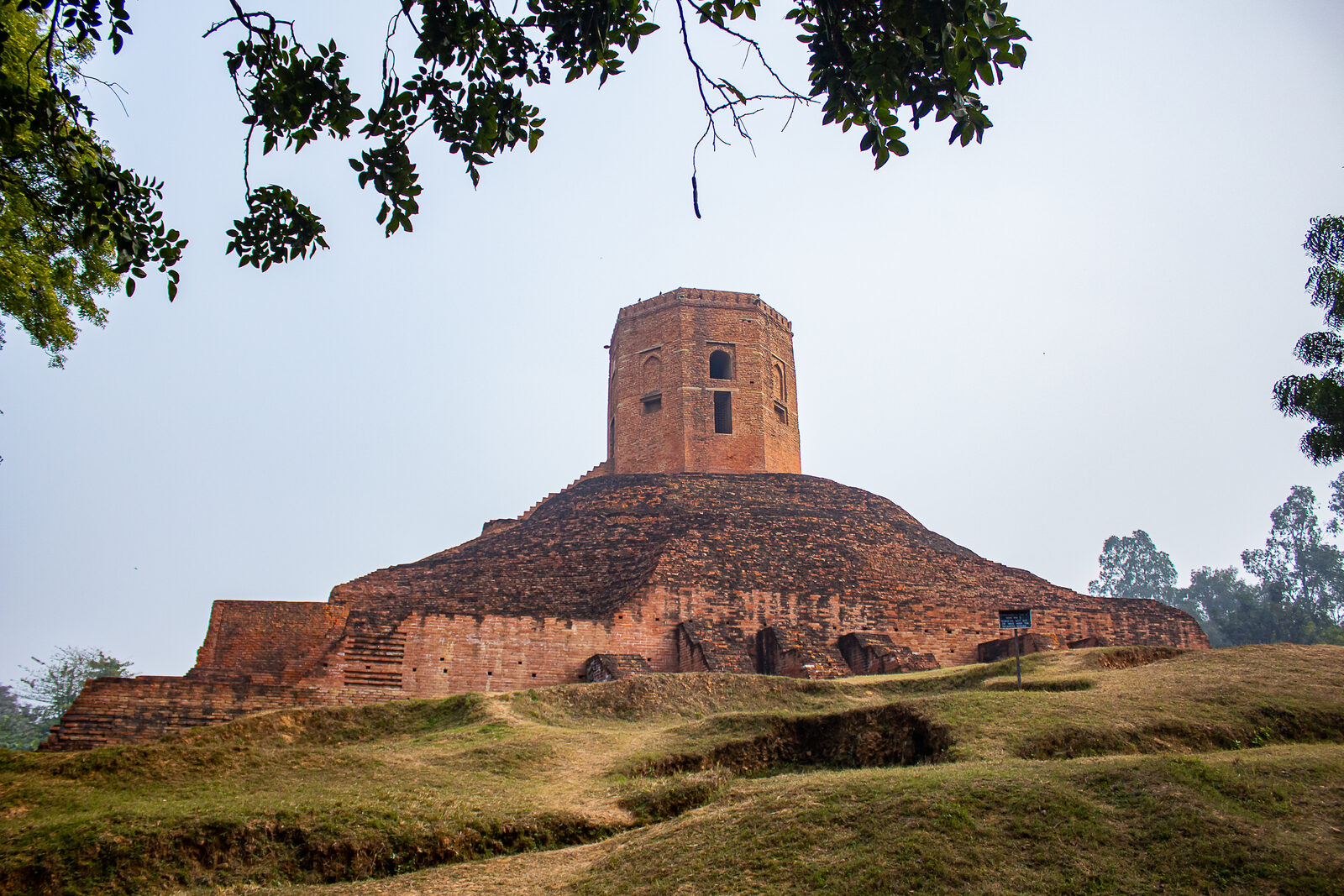
เนินสถูปอิฐขนาดใหญ่ทางใต้ของเขตโบราณสถาน เชื่อว่าเป็นจุดที่พระพุทธเจ้าทรงพบปัญจวัคคีย์เมื่อเสด็จมาจากพุทธคยา ด้านบนมีหอแปดเหลี่ยมสร้างเพิ่มในสมัยราชวงศ์โมกุล
A large brick stupa mound south of the main site, believed to mark where the Buddha met the five ascetics on arriving from Bodh Gaya. An octagonal Mughal tower crowns it.
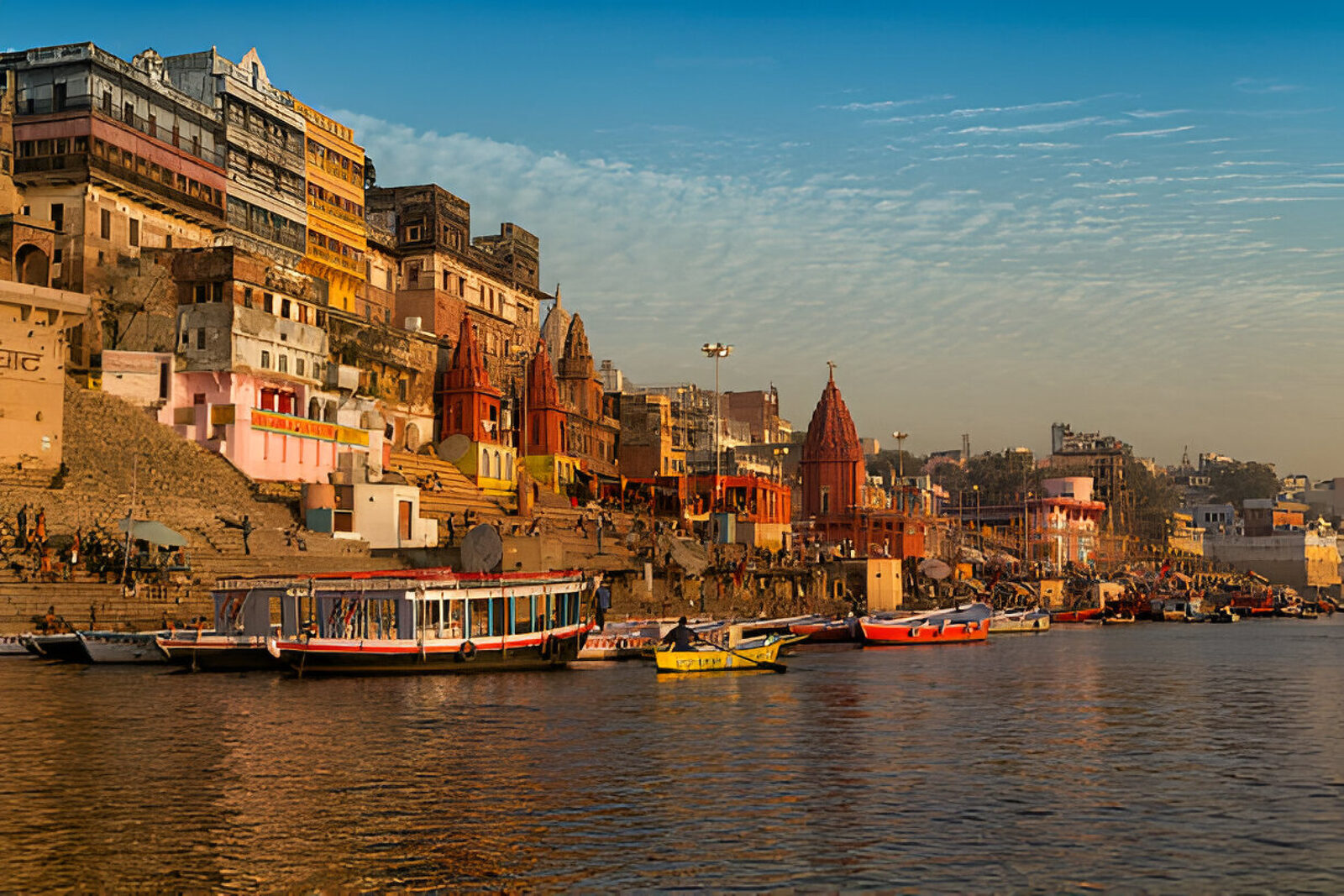
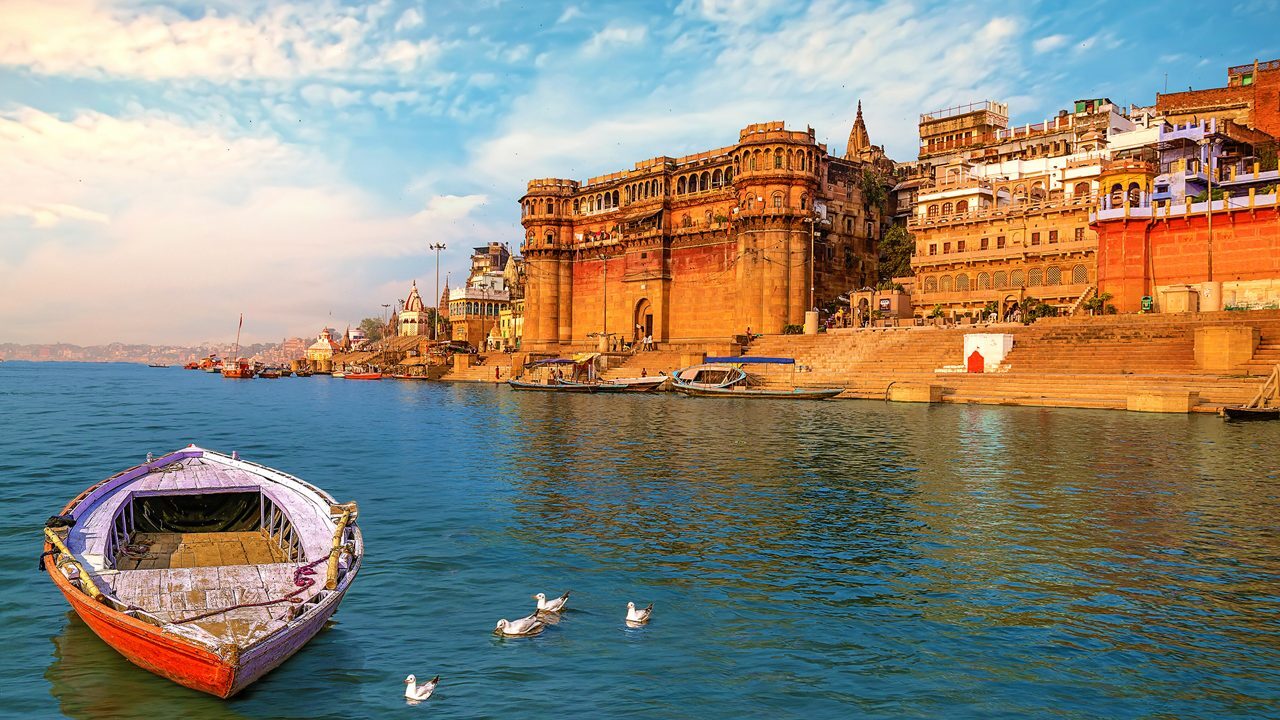
เมืองหลวงของแคว้นกาสี ตั้งอยู่ริมฝั่งแม่น้ำคงคา เป็นหนึ่งในเมืองเก่าแก่ที่สุดของชมพูทวีป และเป็นศูนย์กลางศาสนา การค้า และการศึกษามาตั้งแต่ก่อนพุทธกาล
Capital of the Kasi kingdom on the Ganges, one of India's oldest cities and a centre of religion, trade and learning before the Buddha's time.
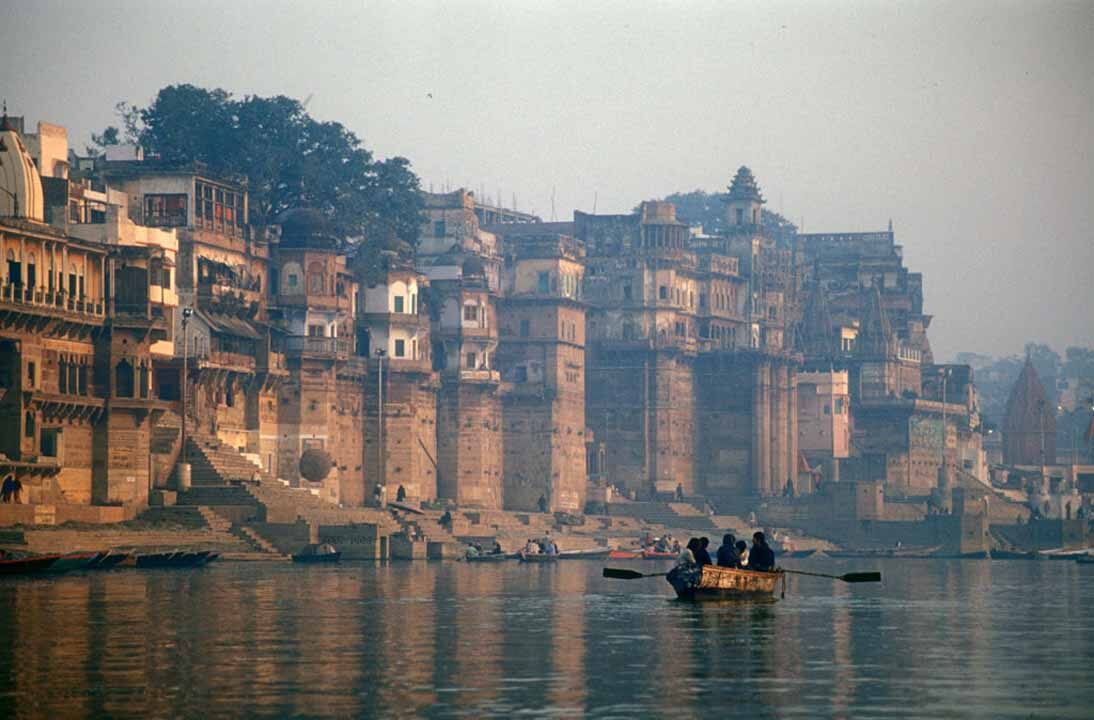
สายน้ำที่ชาวฮินดูถือว่าศักดิ์สิทธิ์ เชื่อว่าการอาบน้ำช่วยชำระบาป และการเผาศพริมฝั่งนำผู้ตายไปสู่สุคติ ริมฝั่งจึงเต็มไปด้วยท่าน้ำและพิธีกรรม
Hindus hold this river sacred, believing that bathing in it cleanses wrongdoing and that cremation on its banks leads the dead to a good rebirth.
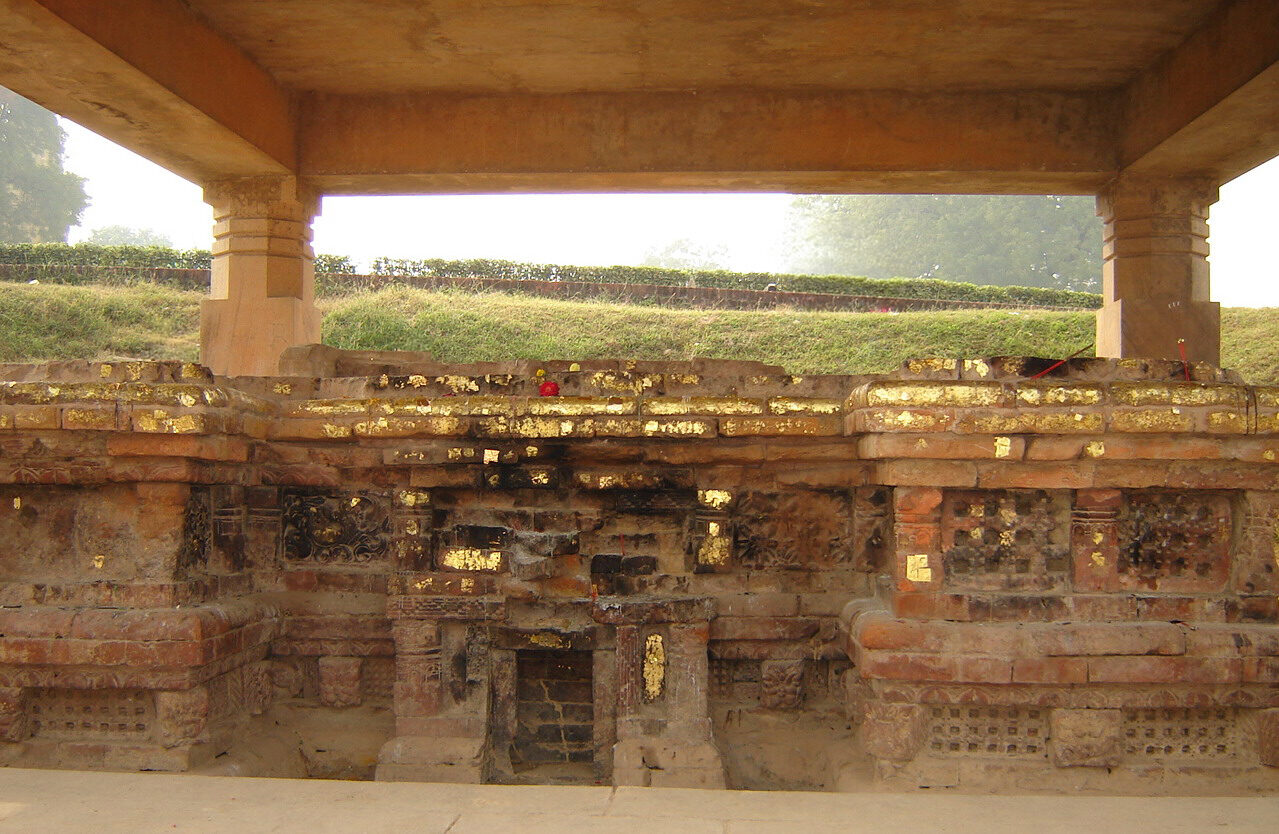
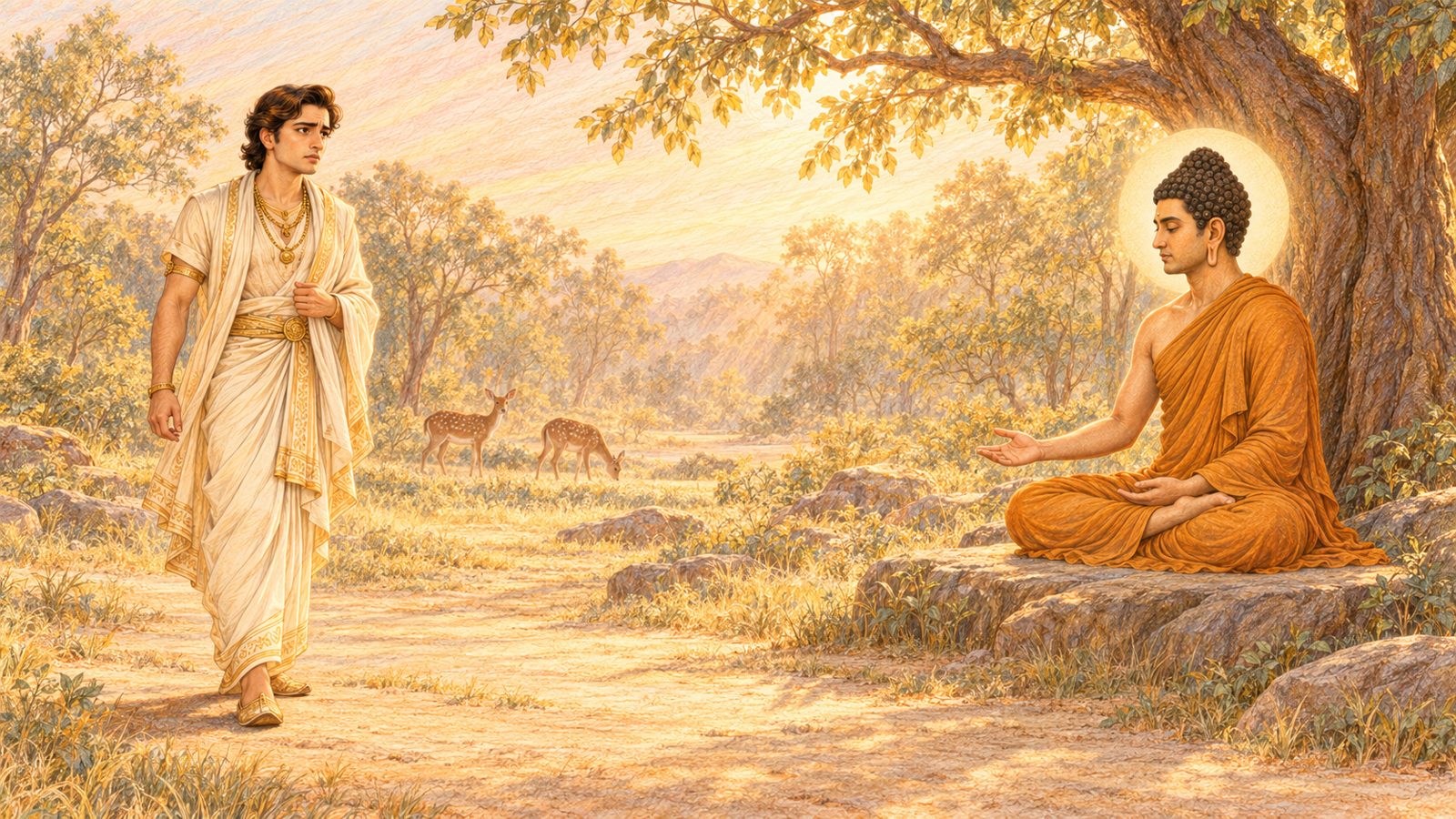
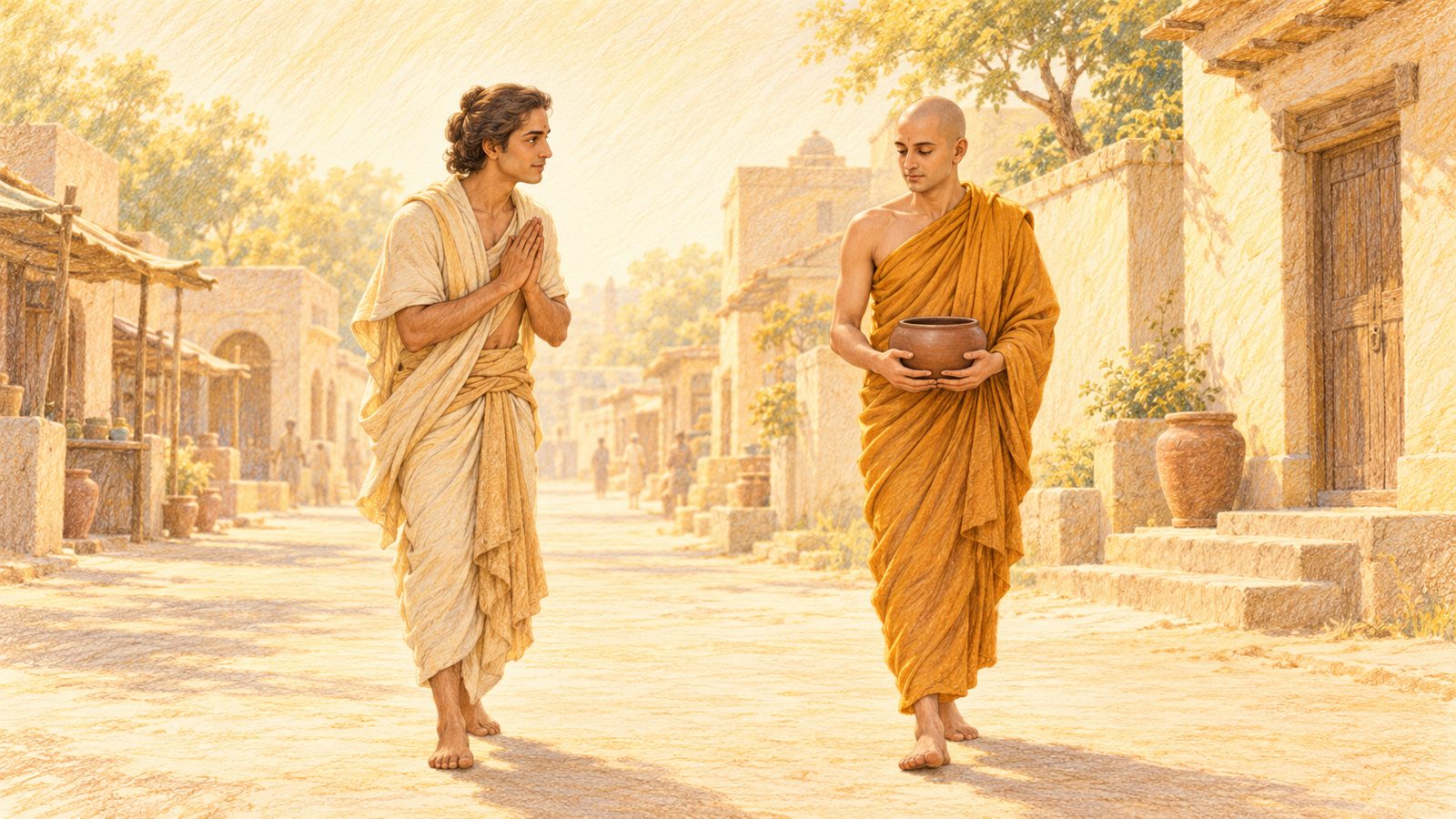
สถานที่ระลึกถึงยสะกุลบุตร บุตรเศรษฐีชาวพาราณสี ผู้เบื่อหน่ายความสุขทางโลก เดินออกจากเรือนมาพบพระพุทธเจ้าที่นี่ ได้ดวงตาเห็นธรรม และต่อมาบรรลุพระอรหัตผล
A memorial to Yasa, a merchant's son of Varanasi who left home weary of pleasure, met the Buddha here, and later attained arahantship.
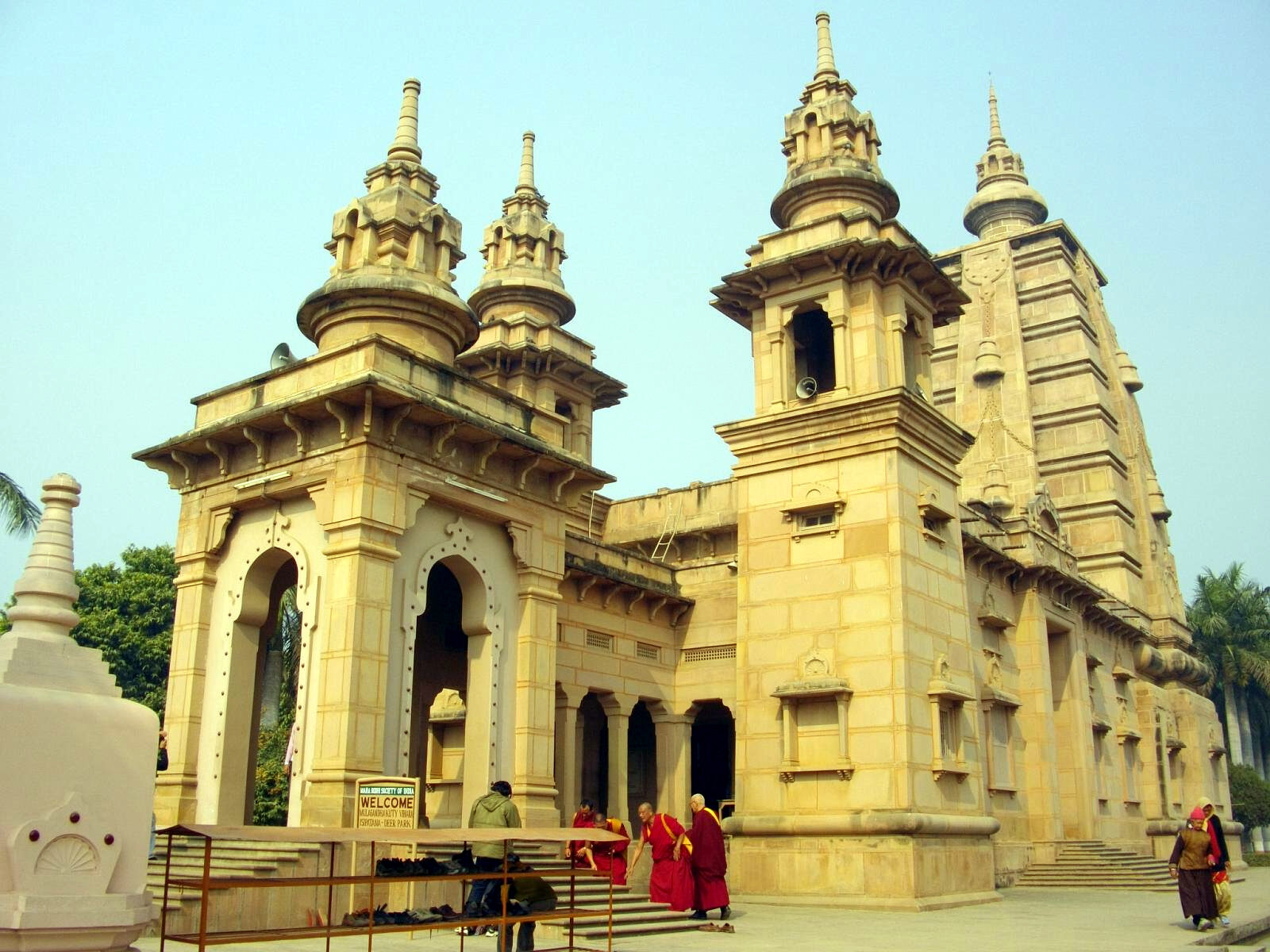
มูลคันธกุฎีวิหารยุคใหม่ สร้างโดยสมาคมมหาโพธิ ภายในมีจิตรกรรมฝาผนังเล่าพุทธประวัติ เป็นที่ประกอบศาสนกิจของชาวพุทธจากทั่วโลก
The modern Mulagandhakuti Vihara, built by the Maha Bodhi Society, holds murals of the Buddha's life and serves pilgrims from around the world.
สารนาถ เตือนให้ตระหนักว่า พระธรรมมีไว้เพื่อแบ่งปันแก่โลก