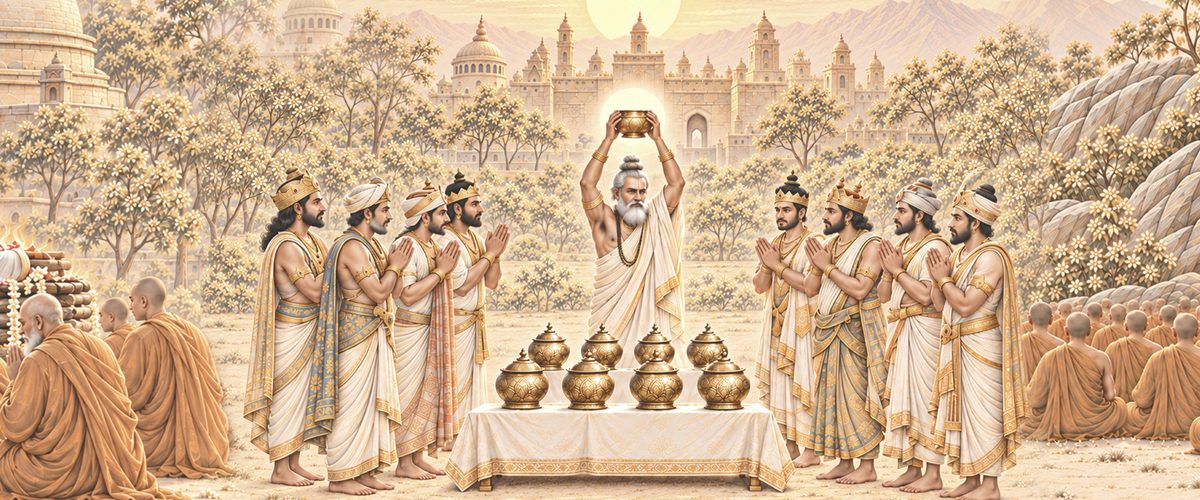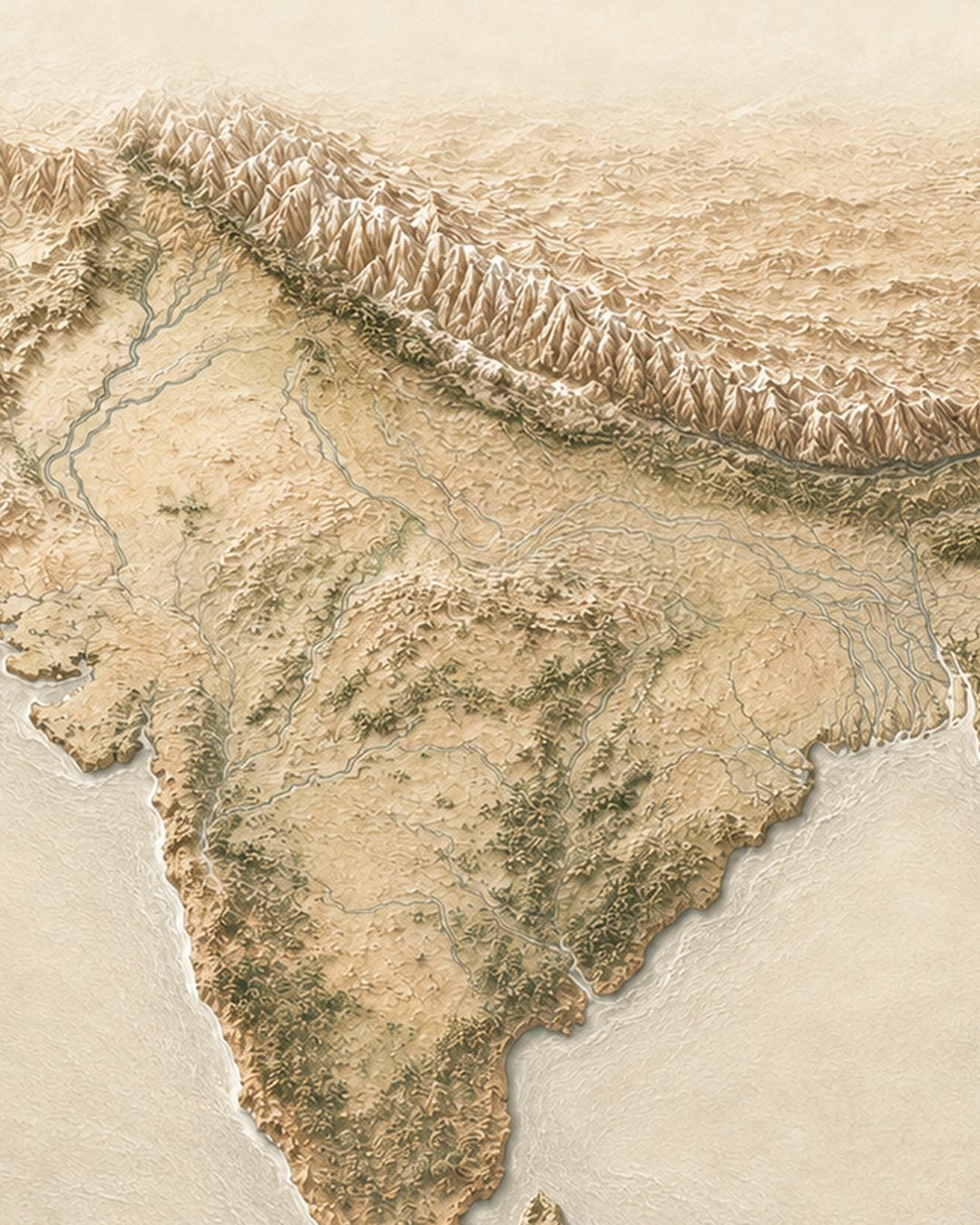
ก่อนเสด็จดับขันธปรินิพพาน พระพุทธเจ้าตรัสแก่พระอานนท์ว่า มีสถานที่สี่แห่งที่ผู้มีศรัทธาควรไปเห็น คือที่ประสูติ ที่ตรัสรู้ ที่แสดงปฐมเทศนา และที่ปรินิพพาน ได้แก่ลุมพินีวัน พุทธคยา สารนาถ และกุสินารา ในอินเดียและเนปาลปัจจุบัน
Before his final passing, the Buddha told Ananda of four places a person of faith should see: where he was born, awakened, first taught, and passed away — Lumbini, Bodh Gaya, Sarnath and Kushinagar. A whole life, marked on the ground.
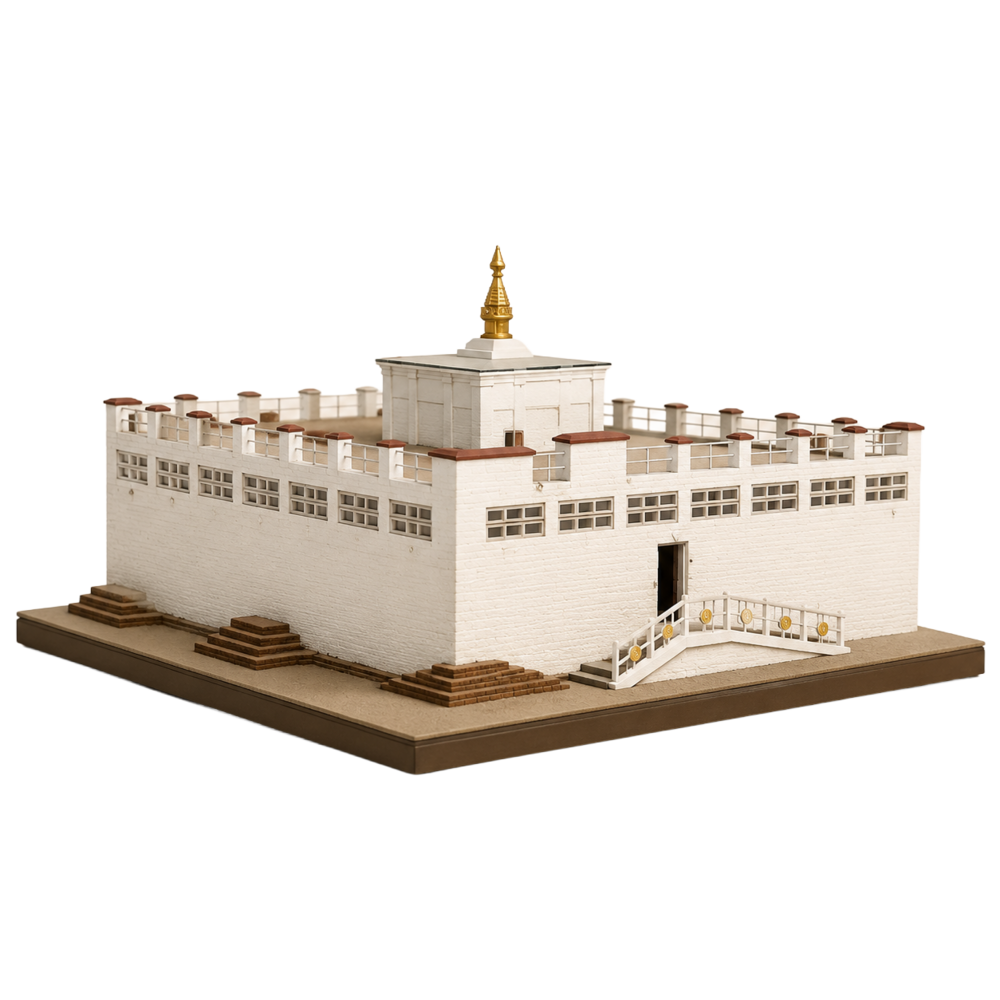
สถานที่ประสูติของเจ้าชายสิทธัตถะ อุทยานหลวงระหว่างกรุงกบิลพัสดุ์กับกรุงเทวทหะ เชิงเขาหิมาลัยทางตอนใต้ของเนปาล จุดเริ่มต้นของพุทธประวัติทั้งหมด
Where Prince Siddhattha was born — a royal garden between Kapilavastu and Devadaha at the foot of the Himalayas. The story begins here.
เข้าชม ลุมพินีวัน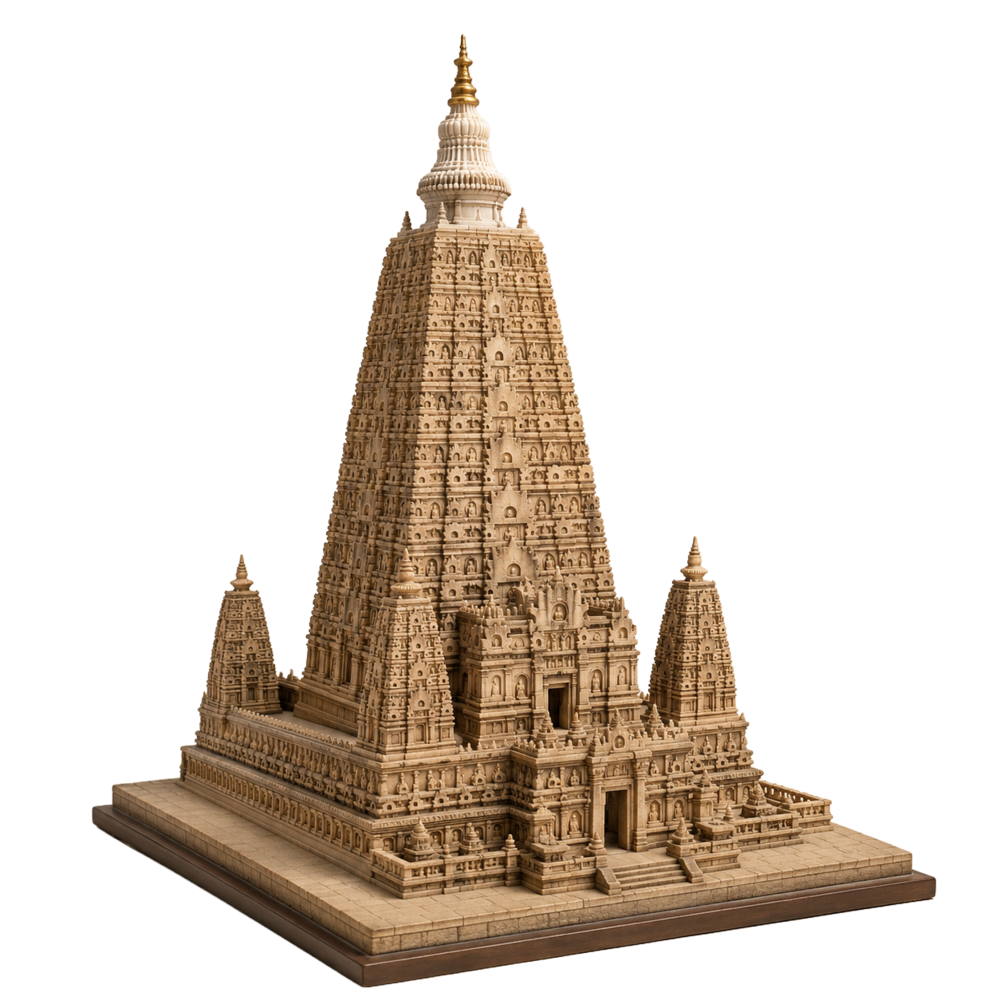
สถานที่ตรัสรู้เป็นพระสัมมาสัมพุทธเจ้า ริมฝั่งแม่น้ำเนรัญชรา ดินแดนอุรุเวลา แคว้นมคธ เป็นจุดที่การแสวงหาหกปีสิ้นสุดลง
Where he awakened as a fully enlightened Buddha, on the bank of the Neranjara in Uruvela, Magadha — where a six-year search ended.
เข้าชม พุทธคยา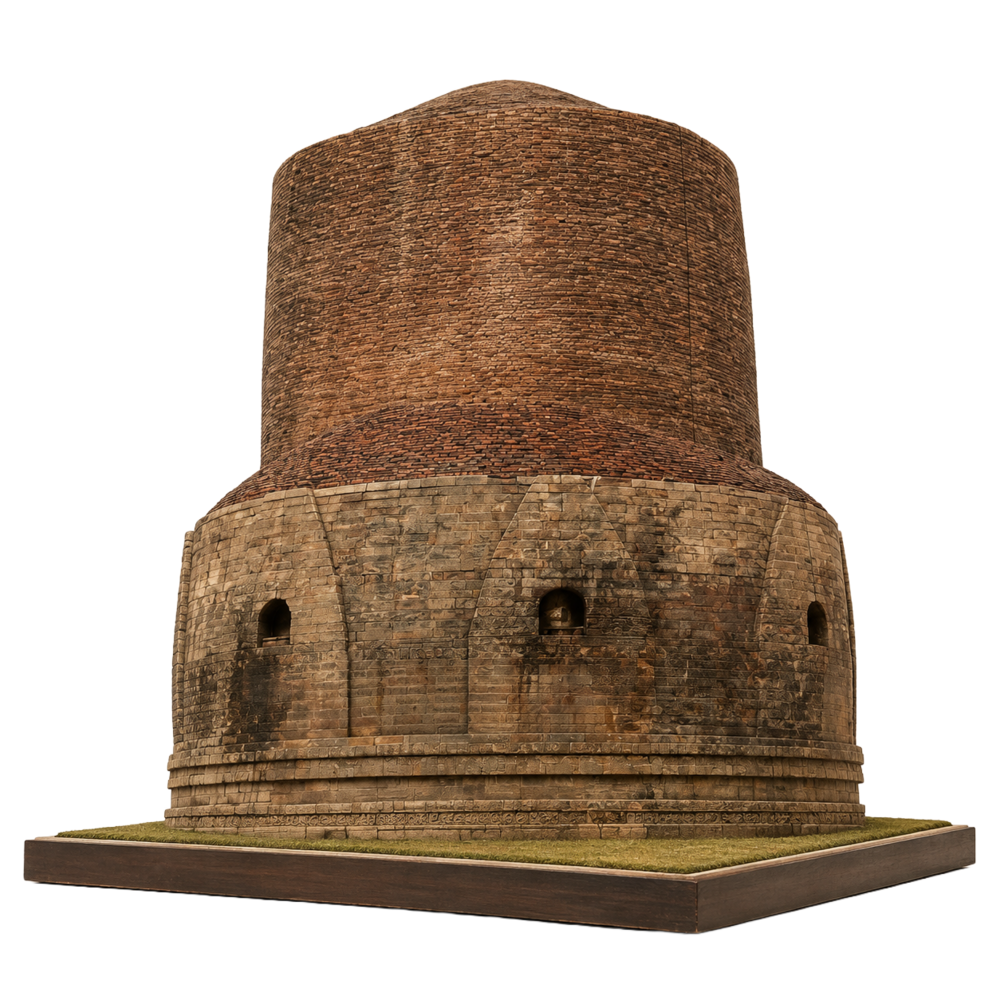
สถานที่แสดงปฐมเทศนาโปรดปัญจวัคคีย์ ป่าอิสิปตนมฤคทายวัน ใกล้เมืองพาราณสี เป็นจุดที่พระสงฆ์เกิดขึ้นครั้งแรกและพระรัตนตรัยครบสมบูรณ์
Where the first sermon was taught to the five ascetics in the Deer Park near Varanasi; here the Sangha arose, completing the Triple Gem.
เข้าชม สารนาถ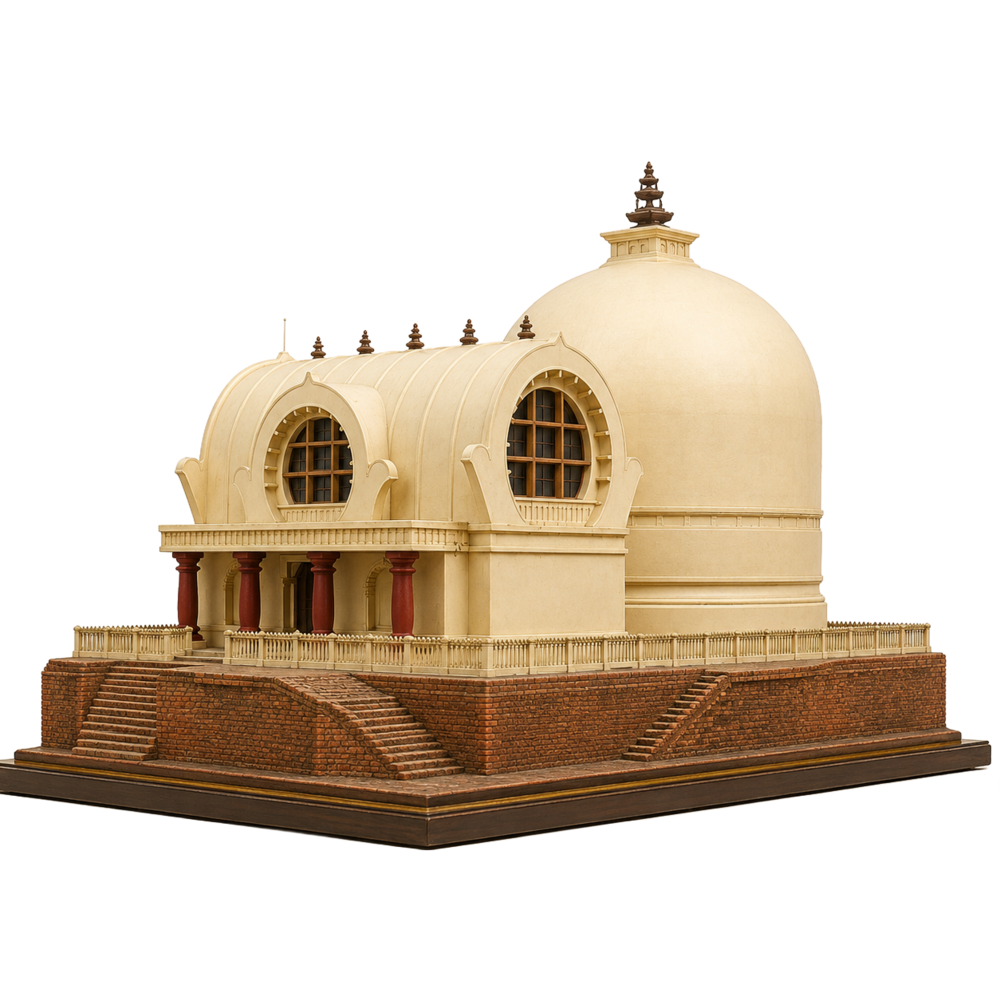
สถานที่เสด็จดับขันธปรินิพพาน ระหว่างต้นสาละคู่ ณ สาลวโนทยาน เมืองหลวงแห่งหนึ่งของแคว้นมัลละ เป็นบทสุดท้ายของพระชนมชีพ
Where he entered final Nibbana between the twin sal trees at Salavana, in a capital of the Malla realm — the last chapter of the life.
เข้าชม กุสินาราคำว่า "สังเวช" ในที่นี้ ไม่ได้แปลว่าเศร้าโศกหรือหดหู่ แต่หมายถึงความรู้สึกสะเทือนใจ และความตระหนักในความจริงของชีวิต จนนำไปสู่ความไม่ประมาทในการดำเนินชีวิต การมาเห็นสถานที่เหล่านี้จึงเป็นแรงบันดาลใจให้หันกลับมาพัฒนาตนเอง ไม่ใช่ให้จมอยู่กับความโศก
"Samvega" here does not mean grief or gloom. It means being moved — a shock of recognition at how life actually is, sharp enough to make a person live with care and attention. These places inspire self-development, not sorrow.
การสักการะสถานที่ศักดิ์สิทธิ์ไม่ได้ทำให้พ้นทุกข์ด้วยตัวของสถานที่เอง คุณค่าที่แท้จริงอยู่ที่การระลึกถึงเหตุการณ์ในพุทธประวัติ แล้วน้อมนำหลักธรรมมาพิจารณาและปฏิบัติ ยืนที่ลุมพินีวัน ให้ระลึกถึงการเริ่มต้น ใต้ต้นพระศรีมหาโพธิ ให้ระลึกถึงความเพียร ที่ป่าอิสิปตนมฤคทายวัน ให้ระลึกถึงพระธรรมที่เริ่มหมุน และที่สาลวโนทยาน ให้ระลึกถึงความไม่เที่ยง
Visiting a sacred place does not by itself free anyone from suffering. The value lies in recalling what happened there and taking the teaching to heart. At Lumbini, recall a beginning. Under the Bodhi tree, recall persistence. In the Deer Park, recall a teaching set in motion. At Salavana, recall that nothing lasts.
พระชนมชีพของพระพุทธเจ้ามิได้จำกัดอยู่เพียงสังเวชนียสถานทั้งสี่ ตลอด 45 พรรษาแห่งการประกาศพระศาสนา พระองค์เสด็จจาริกไปยังแคว้นและนครต่าง ๆ เช่น ราชคฤห์ เวสาลี สาวัตถี และพาราณสี เรื่องราวของเมืองเหล่านี้จัดแสดงไว้บนผนังแต่ละด้าน ถัดจากสังเวชนียสถานที่อยู่ใกล้ และพุทธกิจตลอด 45 พรรษาจัดแสดงไว้ในนิทรรศการอีกด้านหนึ่งของห้องนี้
The Buddha's life was not confined to these four places. For 45 years he travelled and taught across the kingdoms and cities of ancient India — Rajagaha, Vesali, Savatthi, Varanasi. Their stories appear on each wall beside the nearest holy site, and his 45 years of teaching fill the exhibition across this hall.
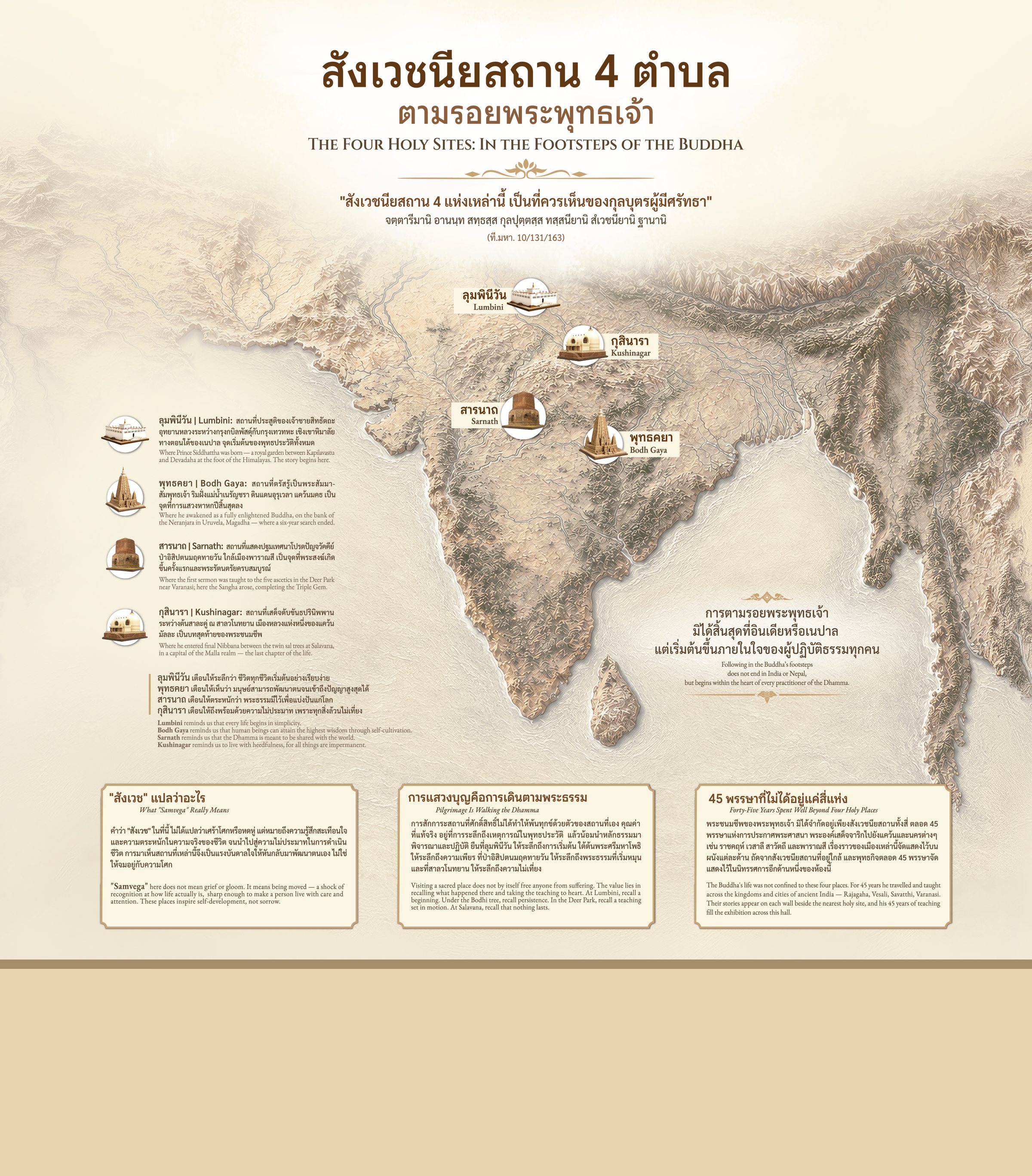

ลุมพินีวัน เตือนให้ระลึกว่า ชีวิตทุกชีวิตเริ่มต้นอย่างเรียบง่าย
พุทธคยา เตือนให้เห็นว่า มนุษย์สามารถพัฒนาตนจนเข้าถึงปัญญาสูงสุดได้
สารนาถ เตือนให้ตระหนักว่า พระธรรมมีไว้เพื่อแบ่งปันแก่โลก
กุสินารา เตือนให้ถึงพร้อมด้วยความไม่ประมาท เพราะทุกสิ่งล้วนไม่เที่ยง
การตามรอยพระพุทธเจ้า มิได้สิ้นสุดที่อินเดียหรือเนปาล แต่เริ่มต้นขึ้นภายในใจของผู้ปฏิบัติธรรมทุกคน
Lumbini reminds us that every life begins in simplicity.
Bodh Gaya reminds us that human beings can attain the highest wisdom through self-cultivation.
Sarnath reminds us that the Dhamma is meant to be shared with the world.
Kushinagar reminds us to live with heedfulness, for all things are impermanent.
Following in the Buddha's footsteps does not end in India or Nepal, but begins within the heart of every practitioner of the Dhamma.